How to Remove Pet Urine Smell from Carpet?
Your dog had an accident. Your cat found a corner. The smell keeps coming back — even after cleaning. Here’s exactly why that happens and how to fix it for good.
8 min read
San Angelo, TX · Concho Valley
Written by local carpet cleaning pros
Quick Answer
To remove pet urine smell from carpet, blot immediately, apply an enzyme-based cleaner, let it dwell for 10–15 minutes, and then blot dry. For old or deep stains, only professional hot water extraction fully eliminates uric acid crystals from the backing and padding. Baking soda and vinegar mask odors; they do not remove them.
While DIY steps can save a fresh spot, deep-set odors in San Angelo often require more power. If the smell persists, our specialized pet odor removal service uses industrial extraction to reach the padding where home cleaners can’t.
In this guide
- Why does the smell keep coming back
- Step-by-step: Fresh accident treatment
- How to handle old, set-in urine stains
- Best products — and what doesn’t work
- Why San Angelo homes have it harder
- When to call a professional
- Frequently asked questions
Why the Pet Urine Smell Keeps Coming Back
If you’ve cleaned a pet urine spot and the smell returned a week later—especially on a humid day—you’re not imagining things. This is the most common complaint we hear from San Angelo homeowners, and there’s a specific reason it happens.
Pet urine is made up of several components: water, ammonia, bacteria, and most importantly, uric acid crystals. When the urine dries, the water evaporates — but the uric acid crystals remain embedded in the carpet fibers, backing, and padding underneath.
Household cleaners, vinegar sprays, and even steam heat can temporarily neutralize the ammonia smell. But they leave the uric acid crystals behind. When humidity rises—and San Angelo summers bring plenty of it—those crystals reactivate and release the odor all over again.
Important
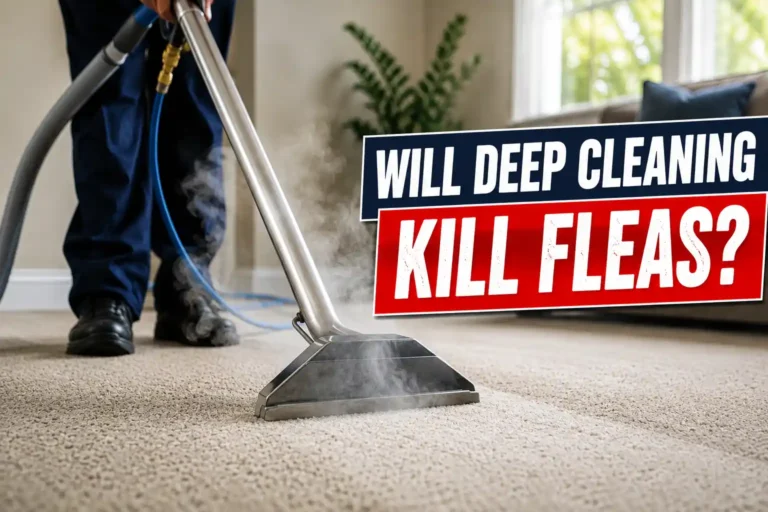
Steam cleaning actually makes pet odor worse. The high heat permanently sets the uric acid into the carpet fibers and bonds the protein stain. Never use a steam cleaner on fresh or existing pet urine spots.
The only way to truly eliminate pet urine smell is to break down the uric acid crystals themselves, which requires either enzyme-based cleaners (for surface stains) or professional truck-mounted extraction (for deep contamination that has reached the backing and subfloor padding).
Step-by-Step: Treating a Fresh Pet Urine Accident
Speed is everything with fresh pet urine. The faster you act, the less the urine can soak through to the backing and padding beneath. Here’s the exact process we recommend:
1
Blot, never rub
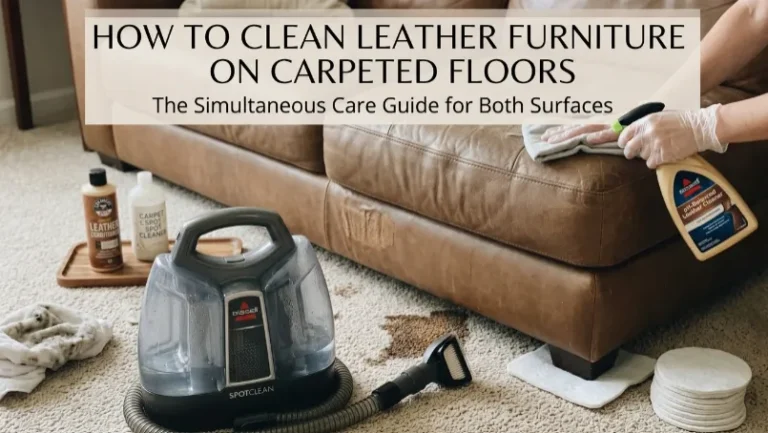
Press a clean white cloth or a stack of paper towels firmly onto the wet area. Work from the outside edges inward to prevent spreading. Apply firm pressure and hold for 30 seconds. Repeat with dry cloths until no more moisture transfers. Rubbing spreads the urine deeper into the fiber—always blot. This same ‘blotting’ rule applies to your furniture. If your pet had an accident on the sofa, check out our guide to upholstery cleaning to avoid permanent fabric staining.
2
Apply an enzyme-based cleaner.
Saturate the spot with an enzyme cleaner like Rocco & Roxie, Nature’s Miracle, or Zout. Make sure the product reaches as deep as the urine-soaked area—if the urine soaked through, apply enough cleaner to do the same. Enzyme cleaners contain bacteria that eat the uric acid crystals, which is the only way to neutralize the source of the odor.
3
Let it dwell for 10–15 minutes.
Cover the area with a damp cloth or plastic wrap to prevent evaporation. The enzymes need time to work — rushing this step is the most common DIY mistake. Read your product label; some require up to 30 minutes for full effectiveness.
4
Blot dry and allow to air dry completely
Blot out as much moisture as possible, then allow the area to dry fully before walking on it. You can place a fan nearby to speed drying. Avoid the area until it is completely dry—in San Angelo’s dry climate, this usually takes 4–8 hours, depending on how deep the saturation went.
5
Optional: Apply baking soda once it’s dry
Once the carpet is fully dry, sprinkle baking soda over the treated area and leave it overnight. This absorbs any lingering surface moisture and refreshes the smell. Vacuum thoroughly the next morning. Note: Baking soda does not remove uric acid — it only freshens the surface after the enzyme cleaner has done the real work.
Pro tip from our San Angelo team
Use a black light (UV flashlight) in a darkened room to find every urine spot—including ones you can’t see or smell yet. Pet urine glows under UV light, so you can treat all spots before they become problems. You can buy a black light for under $15 at most hardware stores.
How to Handle Old, Set-In Pet Urine Stains
Old urine stains are a different challenge entirely. Once urine has dried and the uric acid crystals have bonded to the carpet fibers and backing, DIY enzyme cleaners have limited effectiveness—especially if the urine soaked all the way through to the pad and subfloor.
Here’s how to approach it at home and where home treatment reaches its limit:
For old stains you can still treat at home:
- Re-wet the area with warm water first to reactivate the dried urine crystals
- Apply a heavy dose of enzyme cleaner—more than you think you need
- Cover with plastic wrap and let it dwell for several hours or overnight
- Blot thoroughly, apply baking soda, let sit overnight, then vacuum
- Repeat the process 2–3 times for stubborn spots
This works for stains that are contained within the carpet fibers. If the urine reaches the backing or pad, you’ll notice the smell returns no matter how many times you treat the surface.
When DIY stops working
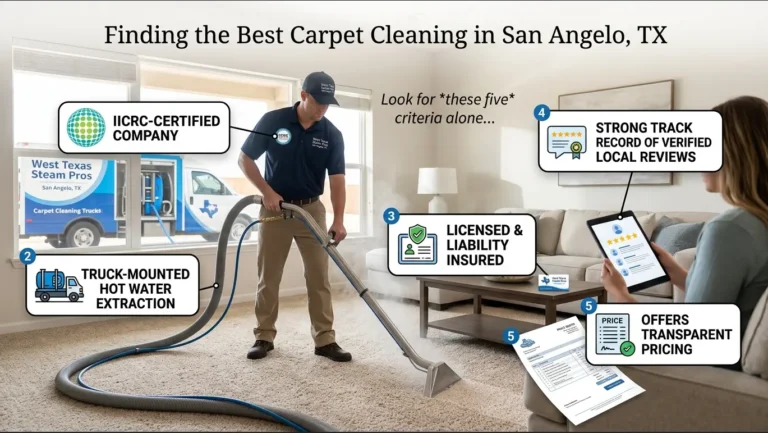
If the odor returns after 2–3 enzyme treatments, the urine has soaked through to the carpet backing or subfloor padding. At this point, only professional hot water extraction — or in severe cases, pad replacement — will fully eliminate the smell. No amount of surface treatment will fix a deep contamination. For severe cases, surface sprays aren’t enough. Our truck-mounted hot water extraction—the same system we use for commercial carpet cleaning—is designed to flush out uric acid crystals from the deepest layers of your carpet.
Best Products — and What Doesn’t Actually Work
The carpet cleaning aisle is full of products that promise to eliminate pet odors. Here’s an honest breakdown of what works, what helps, and what’s a waste of money:
| Product / Method | Removes uric acid? | Best for | Verdict |
| Enzyme cleaner (Rocco & Roxie, Nature’s Miracle) | ✓ Yes | Fresh & surface stains | Best DIY option |
| Baking soda | ✗ No | Surface deodorizing only | Helper — not a solution |
| White vinegar + water | ✗ No | Temporary ammonia masking | Ineffective long-term |
| Hydrogen peroxide (3%) | Partial | Surface stains on light carpet | May bleach—test first |
| Steam cleaner (home) | ✗ Sets odor | General cleaning only | Avoid pet stains |
| Febreze / air fresheners | ✗ No | Masking only | Does not treat carpet |
| Professional hot water extraction | ✓ Deep removal | Old stains, deep contamination | Most effective solution |
Why San Angelo Homes Have It Harder Than Most
Living in the Concho Valley creates a few specific conditions that make pet urine odors more persistent and more difficult to treat compared to homes in cooler, wetter climates. We’ve seen this time and again from Wall to Grape Creek: West Texas heat traps odors like a furnace. Whether you’re in Miles, Christoval, or Ballinger, the local climate means you have a much smaller window to treat a stain before it becomes permanent.
West Texas heat reactivates odors faster.
San Angelo summers regularly hit the 90s and above. Heat is one of the primary triggers that reactivates dried uric acid crystals. Even a “treated” spot can release odors again when summer arrives—especially in rooms that get direct sun through windows.
Dust and allergens bond with urine residue
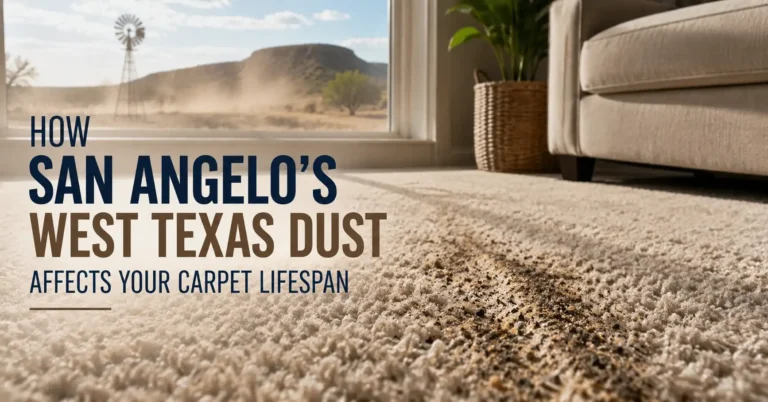
West Texas dust — blown in constantly from open land — settles into carpet fibers year-round. Dust mixes with dried urine residue in the carpet and padding, making odors more complex and harder to neutralize with single-component enzyme cleaners alone.
Dry air slows enzyme effectiveness.
Enzyme cleaners work best in a moist environment. San Angelo’s low humidity causes enzyme solutions to dry out faster, sometimes before they’ve fully broken down the uric acid. In very dry conditions, covering the treated area with plastic wrap for a longer dwell time makes a significant difference.
“In 15 years of cleaning carpets across the Concho Valley, pet urine that’s soaked through to the pad is the single most common reason a carpet smells bad — and the single most common reason a surface cleaning doesn’t fix it.”
When to Call a Professional Carpet Cleaner in San Angelo
DIY treatment is a solid first line of defense for fresh accidents. But there are clear situations where professional cleaning is the right call—and waiting longer usually means more damage and higher costs.
Call a professional when:
- The smell returns after 2–3 enzyme treatments
- The urine spot is large (more than 12 inches across)
- You have multiple pets and multiple stains throughout a room
- You’re moving into or out of a rental and need the carpet to pass inspection
- The carpet backing or padding feels wet or discolored
- You’ve used a UV light and found more stains than expected
- Does anyone in your household have allergies or respiratory sensitivities
What professional cleaning actually does
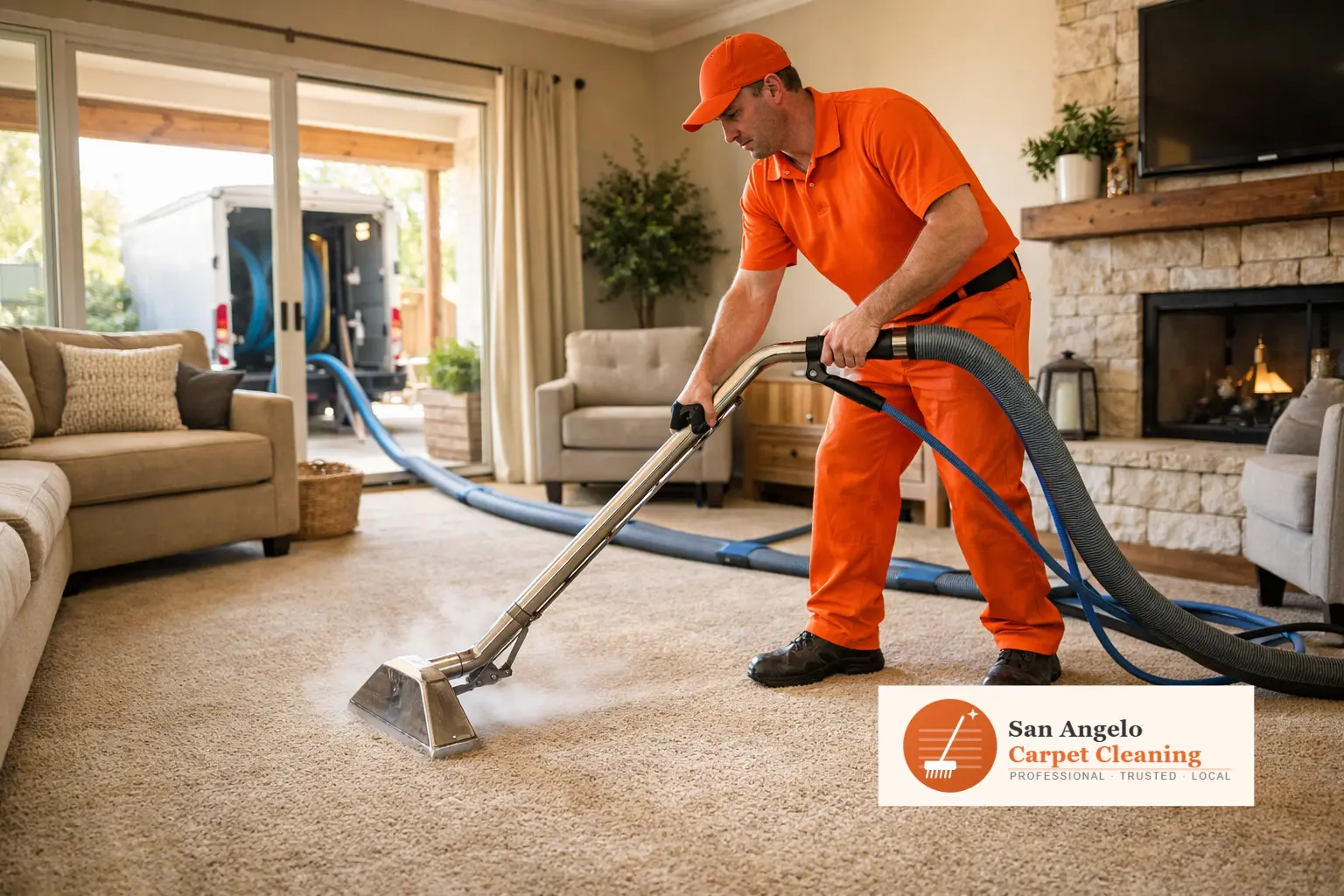
Our truck-mounted hot water extraction system operates at over 200°F and generates powerful suction that pulls contamination out of the carpet fiber, backing, and — in most cases — the top of the padding. We apply an enzyme pre-treatment first to break down the uric acid, then extract everything with the truck-mounted system. The result is complete odor removal, not just masking.
For severe contamination that has fully saturated the padding, we may recommend pad replacement alongside the carpet cleaning — this is the only way to address deep subfloor contamination, and it’s more affordable than replacing the carpet itself.
San Angelo-specific tip
Goodfellow AFB families: If you’re doing a PCS move-out and need carpets to pass inspection, schedule your professional cleaning 48 hours before final inspection—not the same day. This gives carpets time to fully dry, which is when they look and smell best.
Pet stains giving you trouble in San Angelo?
Our local team uses enzyme pre-treatment + truck-mounted extraction to fully eliminate pet odors—not mask them. Free quote, no pressure.
100% satisfaction guarantee · Safe for kids & pets · Same-day available
Frequently Asked Questions
Does baking soda remove pet urine smell from carpet?
No. Baking soda absorbs surface moisture and provides temporary odor masking, but it cannot break down uric acid crystals—the actual source of pet urine smell. It’s useful as a finishing step after the enzyme cleaner has treated the stain, but it is not a standalone solution. Note: If the accident happened on a delicate hand-woven rug, avoid DIY chemicals entirely. Consult a professional rug cleaning specialist to prevent color bleeding or fiber damage.
Why does my carpet still smell like dog after cleaning?
Because the urine soaked deeper than your cleaning reached. Pet urine passes through carpet fibers into the backing and padding below. When heat or humidity rises, the dried uric acid crystals in those lower layers release odor again. Only a treatment that reaches those layers—enzyme cleaner applied heavily or professional extraction—will solve it.
How much does professional pet stain carpet cleaning cost in San Angelo?
Most San Angelo residential jobs fall between $150 and $350, depending on room count and square footage. Jobs with significant pet contamination may include an enzyme pre-treatment as part of the service. We always provide a free, no-obligation quote before starting any work.
Can professional cleaning remove old pet urine stains?
Yes, in most cases. Truck-mounted hot water extraction combined with enzyme pre-treatment removes old, set-in pet urine odors from carpet fibers and backing. For very severe cases where the pad has been fully saturated, pad replacement may be recommended alongside the cleaning for complete odor elimination.
Is it safe to use enzyme cleaners around pets and children?
Most commercial enzyme cleaners are non-toxic and safe once dry. Always check the label of your specific product. Keep pets and children off the treated area until it has fully dried — usually 4–8 hours. Professional cleaning solutions used by reputable San Angelo cleaners are also non-toxic and leave no harsh residues.
How do I find hidden pet urine stains I can’t see?
Use a UV black light (ultraviolet flashlight) in a darkened room. Pet urine fluoresces and glows yellow-green under UV light. This reveals every stain — including old ones you’ve never noticed — so you can treat all spots and fully eliminate the source of odors in your home.