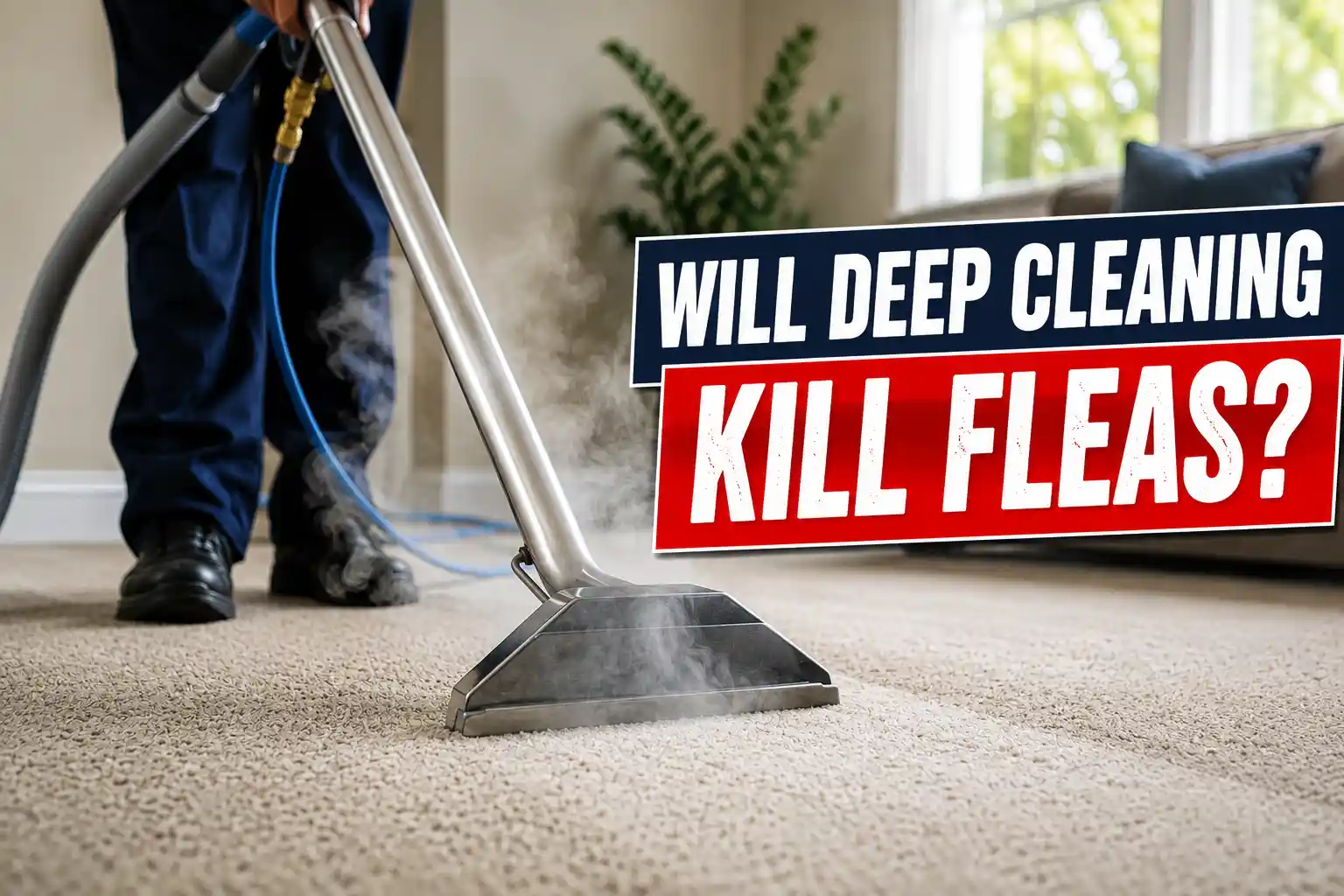
Will Deep Cleaning Carpets Kill Fleas? What Actually Dies and What Survives
Quick answer: Deep cleaning carpets will kill many fleas, but it will not end a flea infestation on its own. Hot water extraction and steam cleaning destroy most adult fleas and larvae on contact, and the vacuum stage removes eggs. Flea pupae sit inside a sticky cocoon deep in the pile and usually survive, which is why fleas often reappear within one or two weeks unless you also treat your pet and the rest of the home.
If you are standing on your carpet right now watching tiny dark specks jump near your ankles, that is the honest answer you needed first. Now here is the detail that explains it.
What Deep Cleaning Actually Does to Fleas
A professional deep clean attacks fleas in three separate ways, and each way works on a different stage of the insect.
Heat. Hot water extraction delivers water at roughly 180 to 220 degrees Fahrenheit at the wand. Adult fleas and larvae die almost instantly at that temperature.
Suction. The vacuum pass before cleaning and the extraction stroke itself physically pull eggs, larvae, flea dirt and dried blood out of the pile. Fleas do not survive the trip through a vacuum. The brushes, fan and air current kill effectively all of them, so removal and killing are the same thing here.
Detergent and agitation. Cleaning solution breaks the waxy coating that helps eggs and larvae cling to fibres, and the brush lifts the pile so the hot water reaches the base rather than skating across the top.
So the killing power is real. The limitation is not the machine. It is the biology.
The Flea Life Cycle Is the Reason Fleas Come Back
Roughly 95 percent of a flea population is not on your pet at all. It is spread across your floors, upholstery and pet bedding as eggs, larvae and pupae. The cat flea, known to entomologists as Ctenocephalides felis, is the species behind almost every household case in the United States, and it moves through four stages.
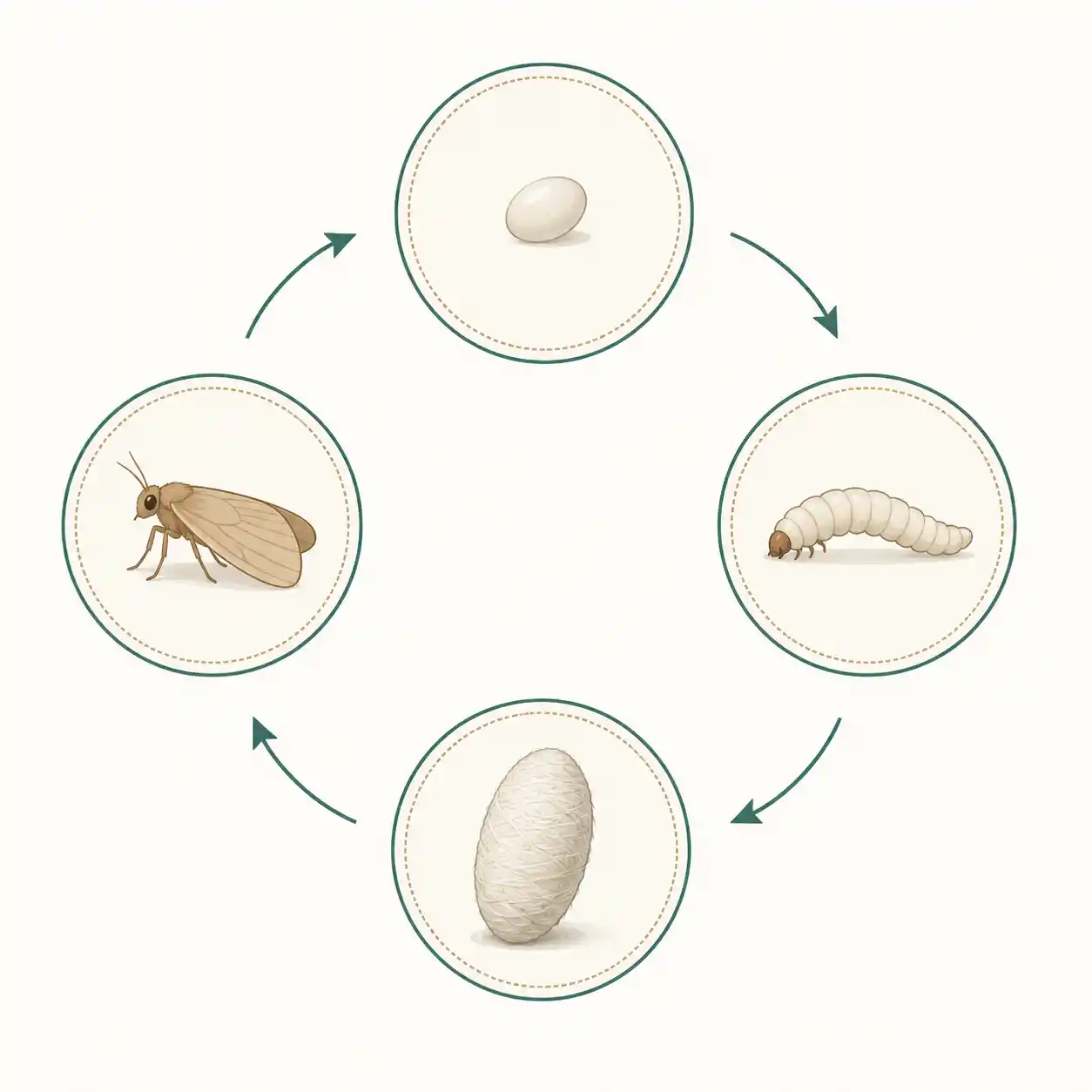
Eggs are smooth and non sticky, so they roll off your pet and settle into the carpet. They hatch in about two to fourteen days.
Larvae avoid light and burrow toward the base of the pile, along baseboards and under furniture. They feed on flea dirt for roughly five to fifteen days.
Pupae spin a silk cocoon that binds itself into your carpet fibres. This is the problem stage. The cocoon resists insecticides, resists suction and shrugs off surface heat. Pupae can wait two to four weeks, and far longer when no host is around.
Adults emerge when they sense warmth, vibration or carbon dioxide, which is exactly what happens when a person walks across the room. According to the University of California IPM guide to flea biology and control, the entire cycle can finish in about eighteen days at normal room temperature.
That timeline is the whole story. You can kill every adult flea in the house today and still meet a fresh generation ten days from now.
Does Steam Cleaning Kill Flea Eggs?
Steam cleaning kills flea eggs that it actually reaches, and that qualifier matters more than most articles admit. Eggs sitting in the upper half of the pile are exposed to full heat and die. Eggs that have worked their way down to the backing, into the underlay, or into the crevice where carpet meets baseboard often sit below the effective heat zone.
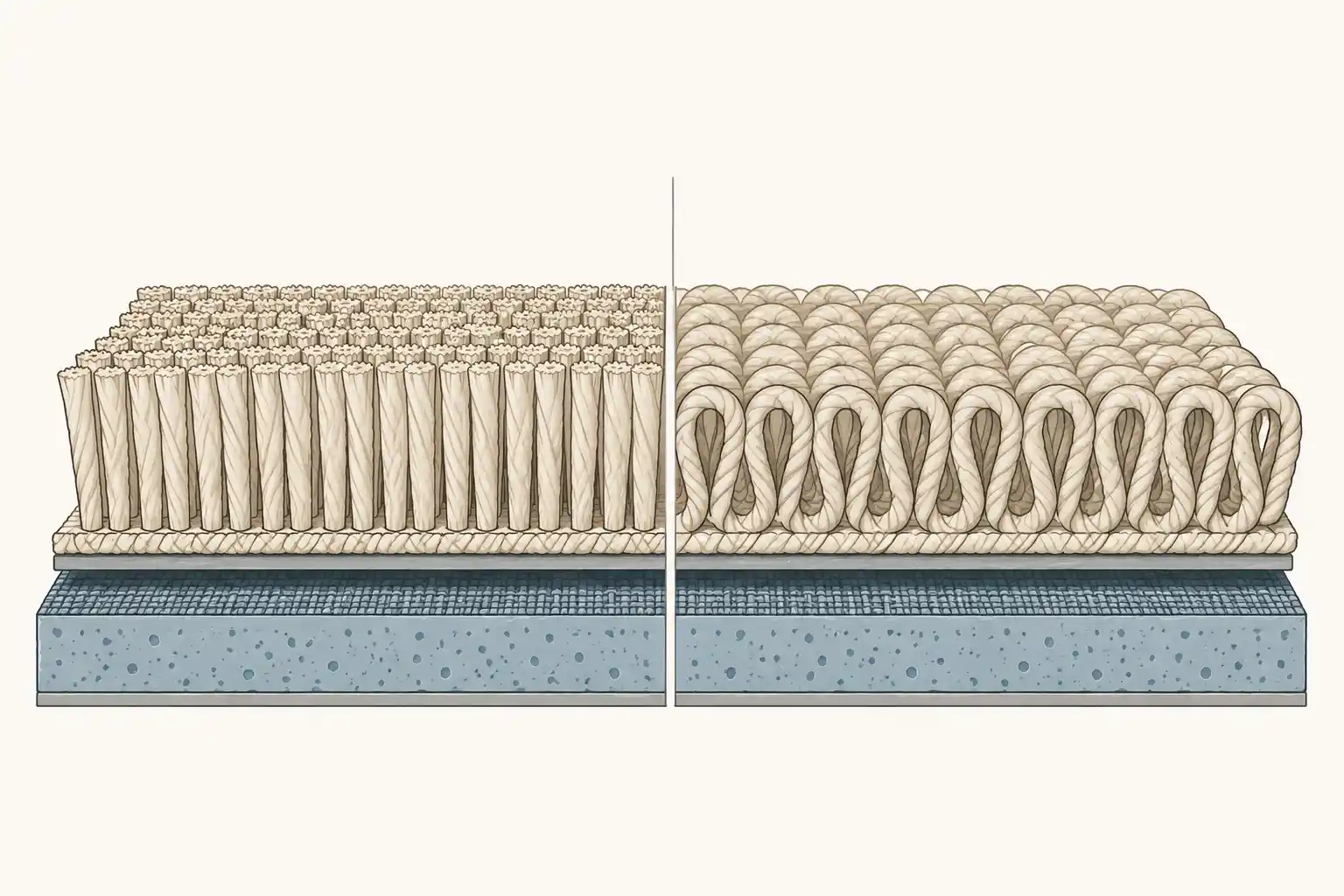
Carpet construction changes the outcome too. In nylon saxony and cut pile carpet, more immature fleas sit near the top of the pile, so a deep clean removes a large share of them. In loop pile carpet and wool loop, more of them settle at the base, which shields them. If you have a dense loop carpet, expect a deep clean to help less than it would on plush. Wool and loop pile rugs also need gentler handling, which is why professional rug cleaning is treated as a separate job from wall to wall carpet.
Hot Water Extraction vs Shampoo vs Dry Cleaning vs Vacuuming
| Method | Kills adults | Kills larvae | Kills eggs | Kills pupae |
|---|---|---|---|---|
| Vacuuming with a beater bar | Yes, on removal | Mostly | Yes, on removal | Partly, cocoons resist |
| Hot water extraction | Yes | Yes | Most of the exposed ones | Rarely |
| Steam cleaning | Yes | Yes | Most of the exposed ones | Rarely |
| Bonnet or dry compound cleaning | Surface only | Little | Little | No |
| Carpet shampoo with an insecticide | Yes | Yes | Some | Some, cocoon still resists |
The takeaway is simple. Any method that combines real heat with real suction is worth doing. Surface only methods look clean and change almost nothing about the infestation.
Why Fleas Reappear Seven to Fourteen Days After Cleaning
This is the single most common complaint homeowners have, and it is not a sign that the carpet cleaner did a bad job.
Vibration from the cleaning wand, warmth from the drying carpet and foot traffic afterward all act as emergence signals. Pupae that were waiting quietly now hatch, and a fresh set of adults walks out into a carpet that looks spotless. Pest control specialists call this the pupal window. Oklahoma State University Extension describes this as the classic flea treatment failure scenario, where an owner treats the home and sees fleas return one to two weeks later as new adults leave their insecticide resistant cocoons.
There is a useful way to reframe this. Cleaning does not fail during the pupal window. It flushes the hidden population out into the open where vacuuming, treated pets and residual products can finish the job. Your response should be more vacuuming, not despair.
The Plan That Actually Ends a Flea Problem
Treat the following as one connected job, not five optional ideas.
1. Treat every pet on the same day
Speak to a veterinarian and use a proven oral or spot on product on every dog and cat in the home. An untreated pet is a walking egg factory, and no amount of carpet work outpaces it.
2. Vacuum first, and keep vacuuming
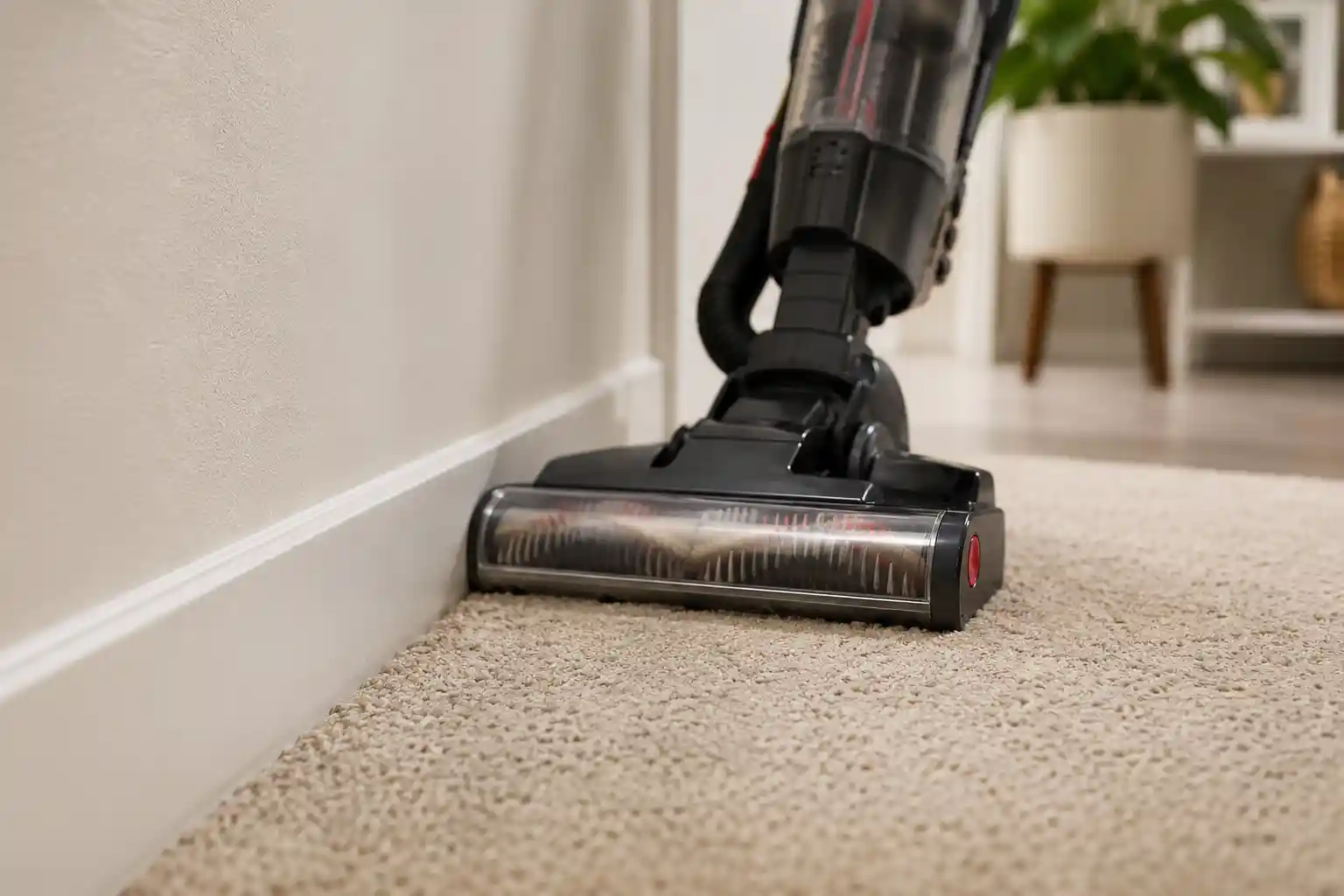
Vacuum every carpeted room, plus rug edges, baseboard crevices, under beds and the areas where your pet sleeps. Use a beater bar head, which lifts the pile and exposes larvae. Then keep vacuuming daily for at least two weeks to catch every adult emerging from the pupal window. Extension research on flea control shows that regular vacuuming lifts a majority of flea eggs and a meaningful share of larvae out of carpet. The old advice to burn or freeze the vacuum bag has since been walked back, so sealing the bag or emptying the canister outside is enough.
3. Wash all soft goods on hot
Pet bedding, throws, cushion covers and human bedding. A hot wash followed by a hot dryer cycle kills every flea stage present.
4. Book a hot water extraction clean
Tell the carpet cleaning company that you are dealing with fleas before they arrive. It changes their prespray choice, dwell time and the attention they give to edges and under furniture. Ask for upholstery cleaning at the same visit, because sofas and pet chairs hold as many eggs as the floor.
5. Add a residual treatment or call pest control
Products containing an insect growth regulator such as methoprene or pyriproxyfen stop eggs and larvae from ever becoming adults. They pair perfectly with cleaning because they cover the stage cleaning cannot reach. Diatomaceous earth works slowly and only where it stays dry. Whatever you choose, check the label for pet safety and confirm the product is EPA registered.
When Cleaning Is Not Enough and You Need Pest Control
Call a licensed exterminator if any of these apply.
- Fleas are still visible three weeks after a full clean and pet treatment
- You are getting bitten on the ankles daily
- The problem covers several rooms rather than one pet area
- You have a crawl space, deck or yard where opossums, raccoons or stray cats are reinfesting the property
- The home was vacant and you inherited a dormant population that woke up when you moved in
This is common in rental turnovers across our San Angelo service area. A rental home standing empty is a classic case. Pupae sat quiet for months without a host, then every one of them emerged the week the new tenants arrived.
Mistakes That Keep Fleas Alive
Cleaning the carpet but not the pet. This is the number one reason the problem repeats.
Stopping the vacuuming once the carpet looks clean. The pupal window has not closed yet.
Ignoring furniture and edges. Larvae move away from light, so they gather under the sofa and along the baseboard, which is exactly where most people stop cleaning.
Using a surface method and expecting deep results. A bonnet clean or a rented machine with lukewarm water is not the same job as commercial hot water extraction.
Using flea products near cats without checking the label. Several common insecticides are dangerous to cats. Read the label, every time.
Frequently Asked Questions
Will deep cleaning carpets kill fleas completely?
No. It kills most adult fleas and larvae and removes eggs, but flea pupae inside their cocoons usually survive. Complete elimination needs carpet cleaning plus pet treatment plus ongoing vacuuming, and sometimes a residual insecticide.
How long after carpet cleaning will fleas be gone?
Expect a sharp drop straight away and continued sightings for roughly seven to fourteen days as pupae emerge. If you are still seeing fleas after three weeks, something in the plan is missing.
Does steam cleaning kill flea eggs?
Yes, it kills the eggs the heat reaches. Eggs that have settled into the carpet backing, underlay or baseboard crevices frequently survive.
Is vacuuming or carpet cleaning better for fleas?
They do different jobs. Vacuuming is the best tool for repeat use and for triggering pupae to emerge. Hot water extraction is the best single deep strike. Use both.
Can I just shampoo my carpet with flea shampoo instead?
Insecticidal carpet products help, but they do not penetrate the cocoon either, and many are not safe around cats. Treat them as a supplement to cleaning rather than a replacement.
Do I need to leave the house during flea carpet cleaning?
For a standard hot water extraction clean, no. If a pest control product is applied afterward, follow the reentry time on the label, which is often two to four hours for people and pets.
Can fleas live in a house with no pets?
Yes. Adult fleas will bite people, and pupae can stay dormant for months waiting for any warm blooded host to walk past.
The Bottom Line
Deep cleaning your carpet is one of the most effective single actions you can take against fleas. It kills adults, kills larvae, strips out eggs and removes the flea dirt that larvae feed on. What it cannot do is reach inside a cocoon. Treat the carpet, the pet and the calendar together, keep the vacuum running through the pupal window, and the infestation ends. Skip any one of those three and the fleas simply wait you out.
Dealing With Fleas in San Angelo?
Our team runs truck mounted hot water extraction across San Angelo and the surrounding Tom Green County area, and we clean carpet and upholstery in the same visit so the fleas have nowhere left to hide. See our full range of carpet cleaning services in San Angelo, TX, or get a free quote and tell us you are treating fleas so we can plan the visit around it.